Exploring Grassed Artificial Solutions for Home and Commercial Spaces
As the demand for low-maintenance and durable landscaping options continues to grow, grassed artificial has become a popular choice for many homeowners and businesses in the US. With its realistic appearance and numerous benefits, artificial grass is being used to transform outdoor spaces, sports fields, and even indoor areas. But what exactly is grassed artificial, and how can it be used effectively? In this article, we'll delve into the world of artificial grass, exploring common mistakes to avoid and smarter alternatives for those looking to make the most of this innovative material.
Understanding Grassed Artificial
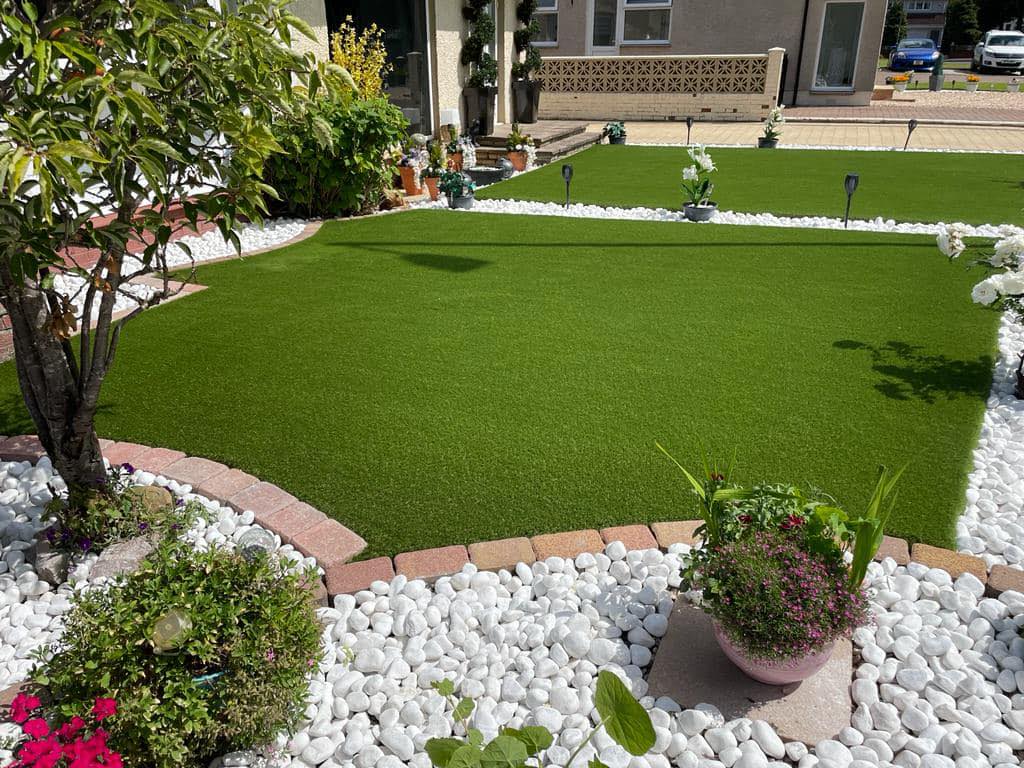
Grassed artificial, also known as artificial turf or fake grass, is a synthetic surface designed to mimic the look and feel of natural grass. Made from a combination of materials, including polypropylene, polyethylene, and nylon, artificial grass is created to be durable, weather-resistant, and easy to maintain. With advancements in technology, modern artificial grass is almost indistinguishable from the real thing, offering a lush, green appearance that can withstand heavy foot traffic and various weather conditions. 
Common Mistakes to Avoid
While grassed artificial can be a fantastic solution for many landscaping needs, there are common mistakes to avoid when installing and maintaining it. One of the most significant errors is inadequate preparation of the underlying surface, which can lead to unevenness, drainage issues, and a reduced lifespan of the artificial grass. Another mistake is choosing the wrong type of artificial grass for a specific application, such as using a residential-grade turf for a high-traffic commercial area. 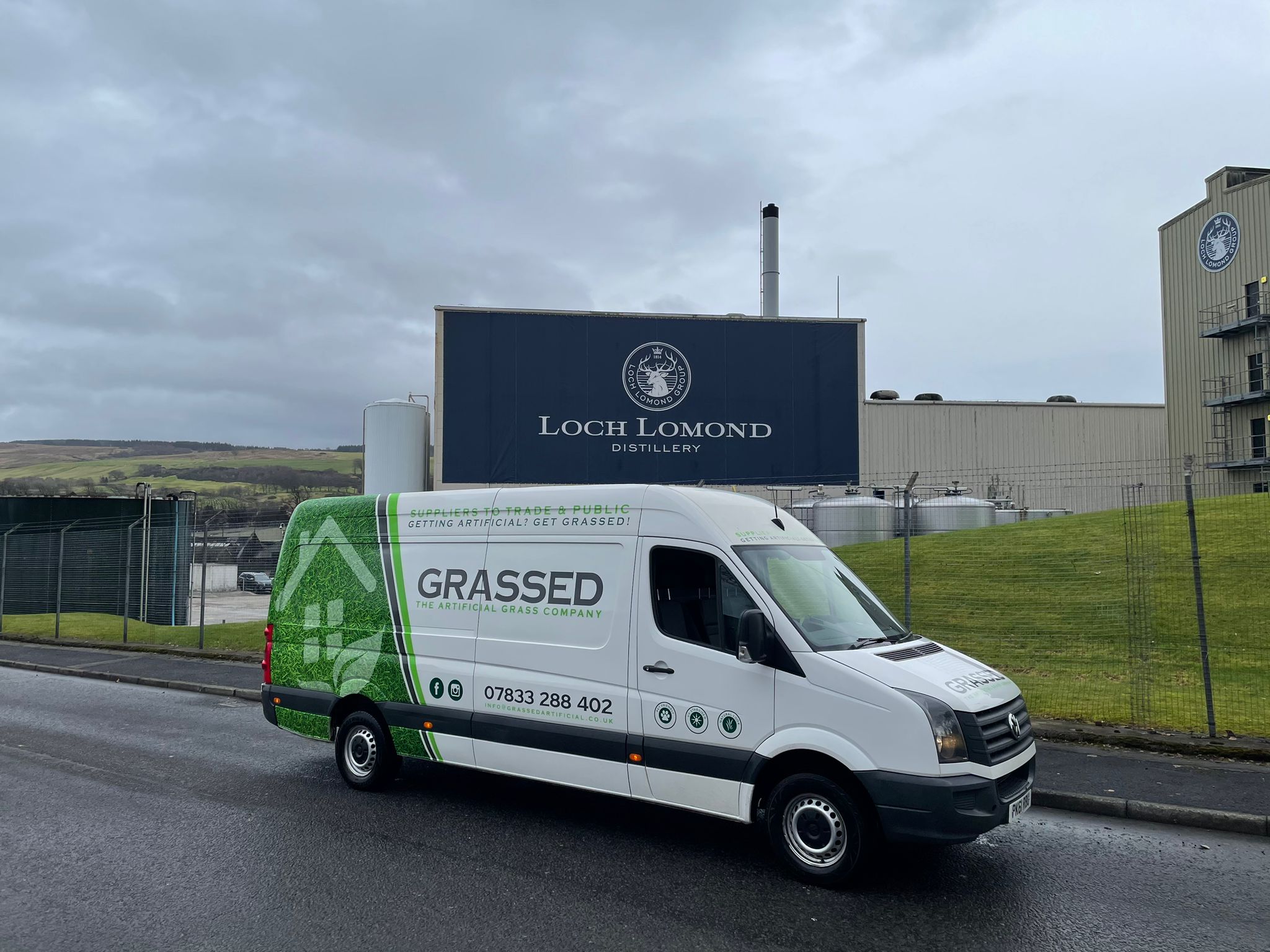
Smarter Alternatives and Best Practices
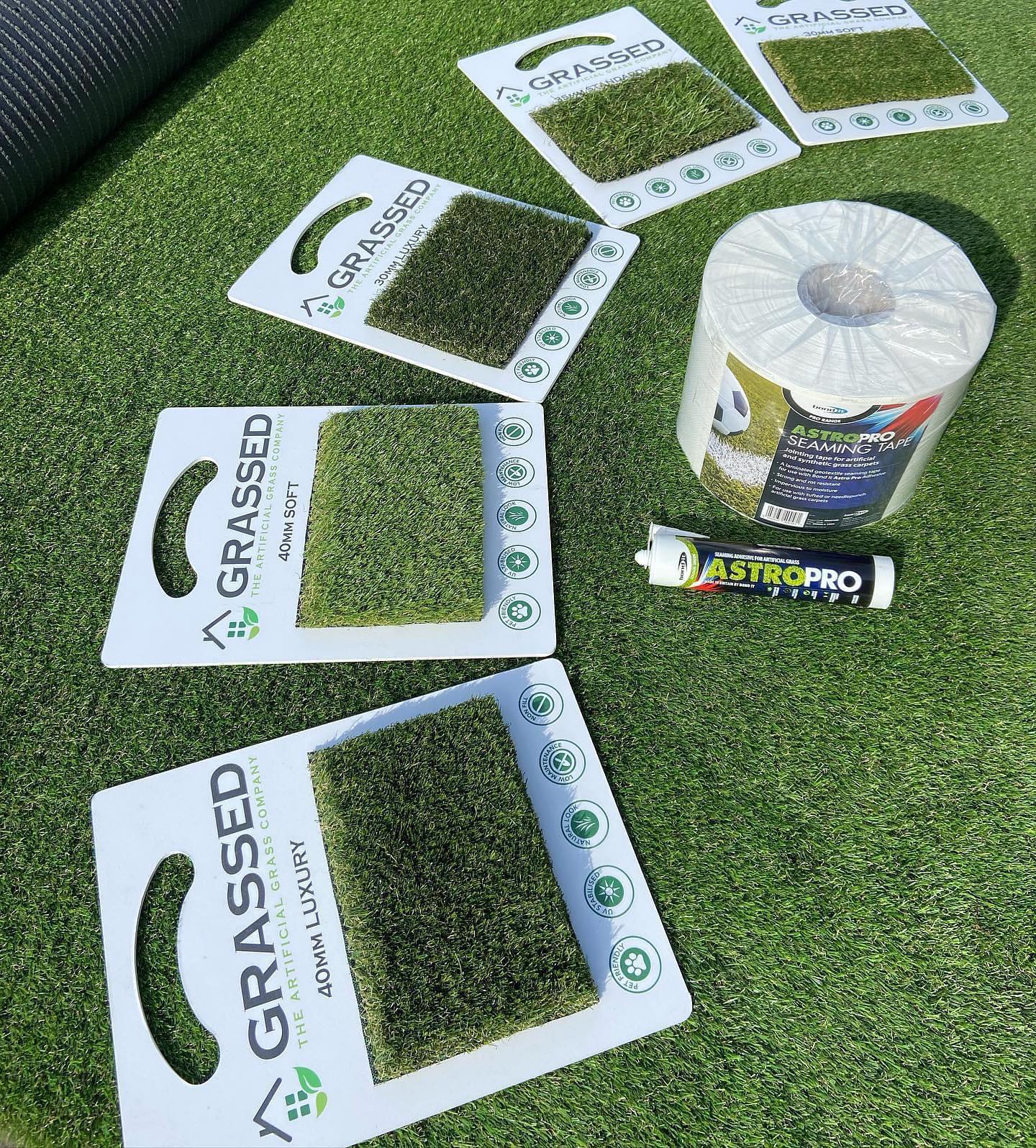
To get the most out of grassed artificial, it's essential to consider smarter alternatives and best practices. One approach is to work with a professional installer who can assess the site, prepare the surface, and choose the right type of artificial grass for the specific application. Additionally, regular maintenance, such as brushing and cleaning, can help extend the lifespan of the turf and prevent damage. Homeowners and businesses can also explore various infill options, such as silica sand or rubber, to enhance the performance and safety of the artificial grass. By following these guidelines and avoiding common mistakes, individuals can enjoy a lush, low-maintenance, and durable grassed artificial surface for years to come.
Implications and Future Directions
The use of grassed artificial is not only limited to residential and commercial landscaping but also has implications for sports, recreation, and environmental sustainability. As concerns about water conservation, pollution, and climate change continue to grow, artificial grass offers a viable alternative to traditional lawn care, reducing the need for watering, mowing, and fertilizers. Furthermore, advancements in technology are likely to lead to even more realistic and durable artificial grass products, expanding their applications and benefits. As the demand for grassed artificial continues to grow, it's crucial to stay informed about the latest developments, best practices, and smarter alternatives to make the most of this innovative material.
HOME - Grassed Artificial | The Artificial Grass Company
HOME - Grassed Artificial | The Artificial Grass Company
HOME - Grassed Artificial | The Artificial Grass Company
HOME - Grassed Artificial | The Artificial Grass Company
HOME - Grassed Artificial | The Artificial Grass Company
HOME - Grassed Artificial | The Artificial Grass Company